Table of Contents
นอกจากนี้การบูรณาการของ AI ในการเกษตรส่งเสริมการทำงานร่วมกันระหว่างผู้มีส่วนได้ส่วนเสียต่างๆในระบบนิเวศการเกษตร เกษตรกรนักปฐพีวิทยาและนักพัฒนาเทคโนโลยีสามารถทำงานร่วมกันเพื่อสร้างโซลูชั่นที่ปรับแต่งซึ่งจัดการกับความท้าทายเฉพาะที่ต้องเผชิญในภูมิภาคต่าง ๆ วิธีการทำงานร่วมกันนี้ช่วยให้มั่นใจได้ว่านวัตกรรมไม่เพียง แต่มีประสิทธิภาพ แต่ยังสามารถปรับให้เข้ากับความต้องการเฉพาะของสภาพแวดล้อมทางการเกษตรที่หลากหลาย
เมื่อเรามองไปสู่อนาคตเป็นที่ชัดเจนว่าบทบาทของ AI ในการเกษตรจะยังคงขยายตัวต่อไป การพัฒนาเทคโนโลยีอย่างต่อเนื่องเช่นเครื่องตัดวัชพืชระยะไกลมีแนวโน้มที่จะนำไปสู่การแก้ปัญหาที่ซับซ้อนยิ่งขึ้นซึ่งจะช่วยเพิ่มประสิทธิภาพการผลิตและความยั่งยืน นอกจากนี้เมื่อระบบ AI สามารถเข้าถึงได้มากขึ้นเกษตรกรรายย่อยจะได้รับประโยชน์จากความก้าวหน้าเหล่านี้ปรับระดับสนามเด็กเล่นและส่งเสริมความมั่นคงด้านอาหารในระดับโลก
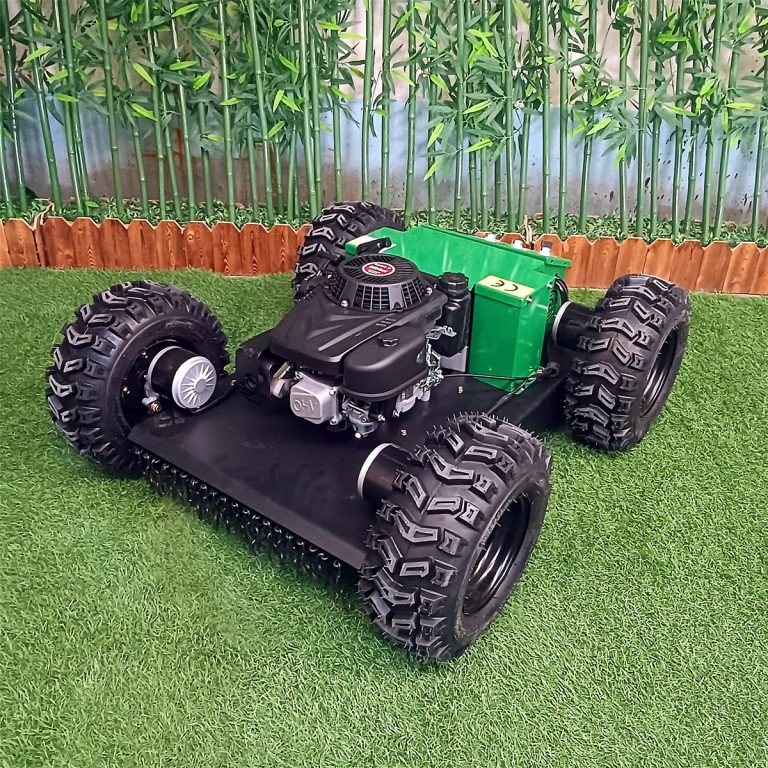
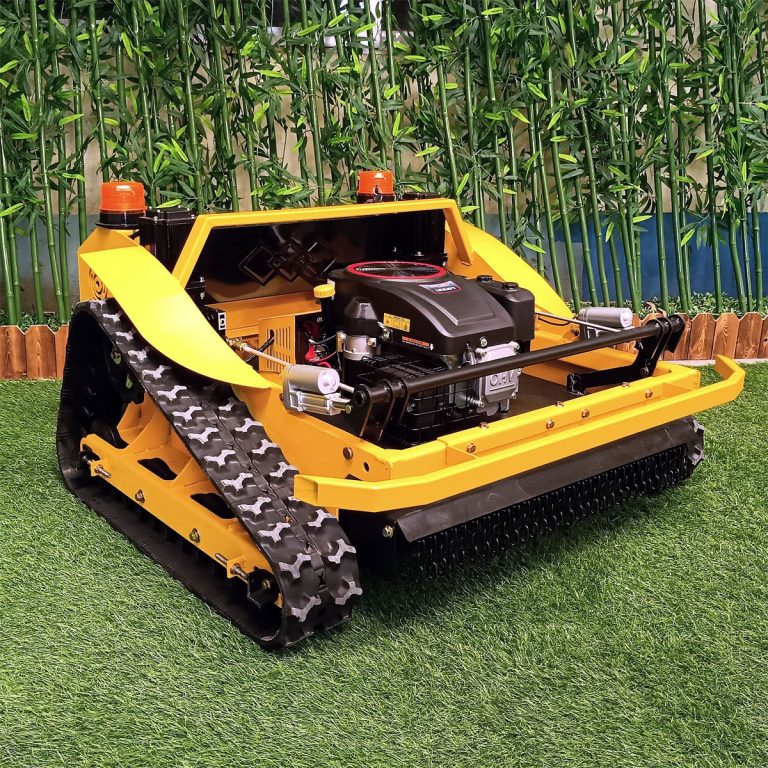
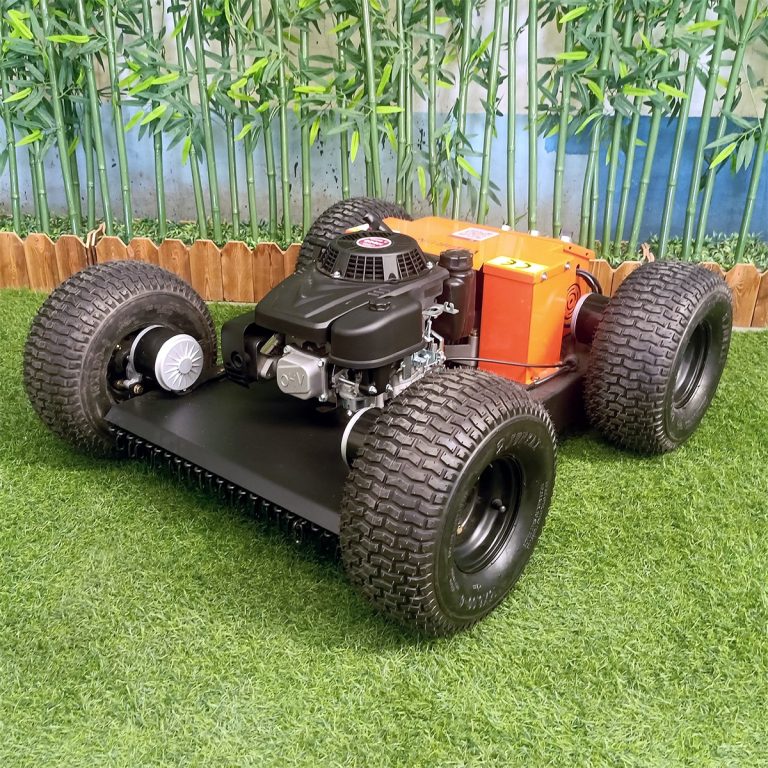
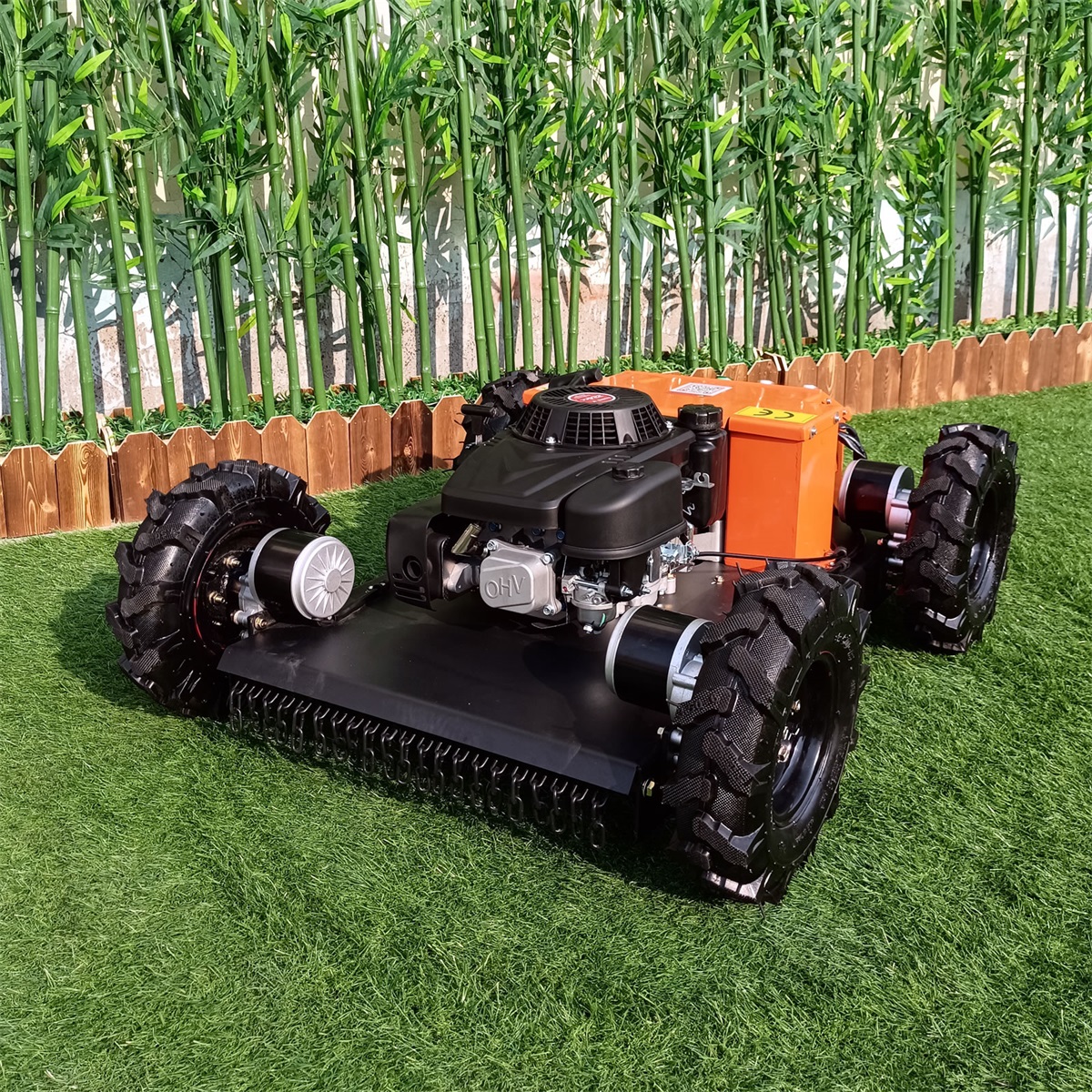
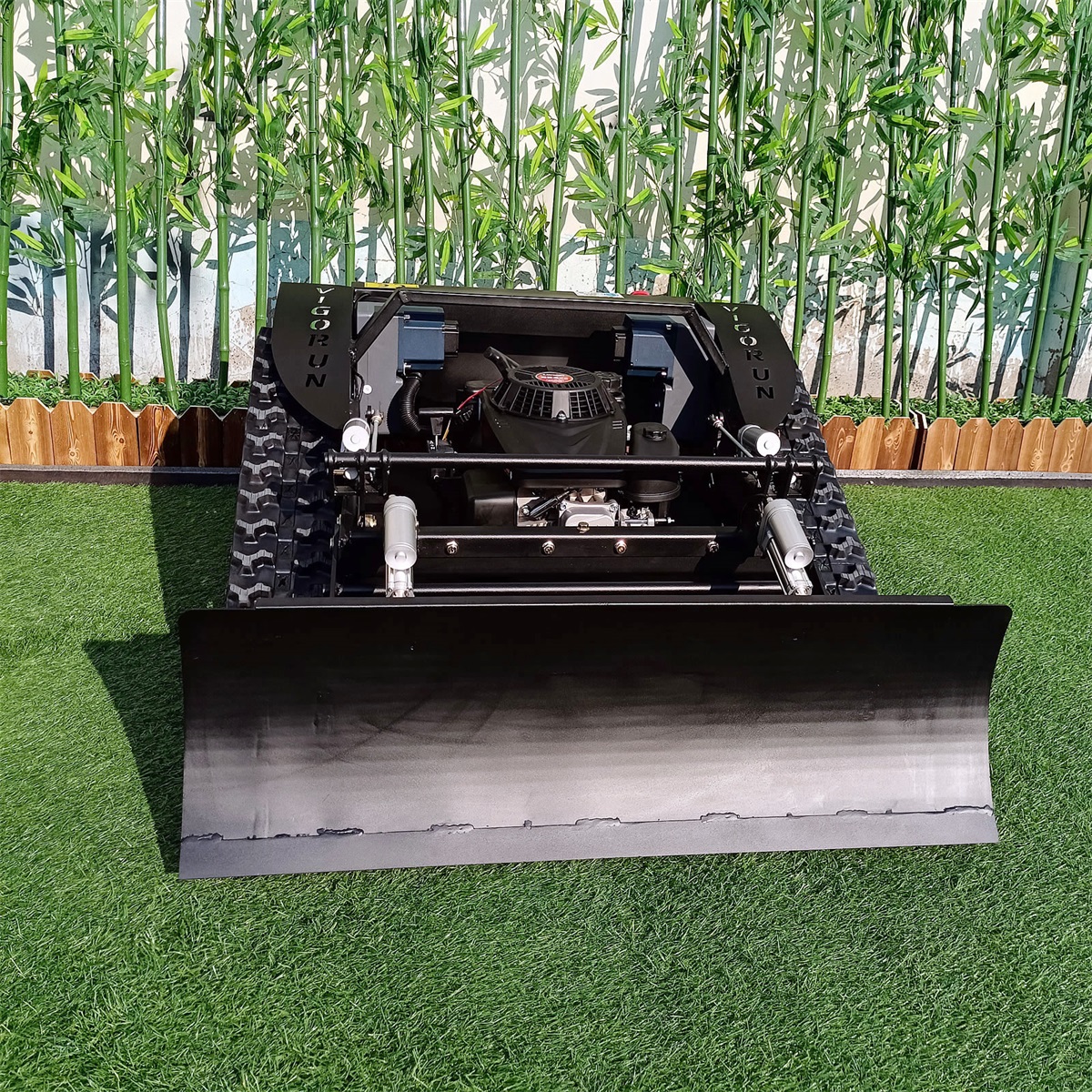
โดยสรุปการปฏิวัติการเกษตรผ่านปัญญาประดิษฐ์ไม่ได้เป็นเพียงแนวโน้ม มันแสดงให้เห็นถึงการเปลี่ยนแปลงพื้นฐานในวิธีที่เราเข้าใกล้การทำฟาร์ม เครื่องตัดวัชพืชระยะไกลที่ติดตั้งบนแทร็กน้ำมันเบนซินเป็นเพียงตัวอย่างหนึ่งของวิธีการที่ AI เปลี่ยนแนวทางปฏิบัติทางการเกษตรทำให้พวกเขามีประสิทธิภาพมากขึ้นยั่งยืนและตอบสนองต่อความท้าทายของการผลิตอาหารที่ทันสมัย ในขณะที่เทคโนโลยีเหล่านี้ยังคงพัฒนาอย่างต่อเนื่องพวกเขายังคงสัญญาว่าจะมีอนาคตทางการเกษตรที่มีประสิทธิผลและเป็นมิตรกับสิ่งแวดล้อมมากขึ้นเพื่อให้มั่นใจว่าเราสามารถตอบสนองความต้องการของประชากรที่กำลังเติบโตในขณะที่รักษาโลกของเราไว้หลายชั่วอายุคน
Furthermore, the integration of AI in agriculture fosters collaboration among various stakeholders in the farming ecosystem. Farmers, agronomists, and technology developers can work together to create tailored solutions that address specific challenges faced in different regions. This collaborative approach ensures that innovations are not only effective but also adaptable to the unique needs of diverse agricultural environments.
In conclusion, the revolution of agriculture through artificial intelligence is not merely a trend; it represents a fundamental shift in how we approach farming. The gasoline-powered track-mounted remote control weed cutter is just one example of how AI is transforming agricultural practices, making them more efficient, sustainable, and responsive to the challenges of modern food production. As these technologies continue to evolve, they hold the promise of a more productive and environmentally friendly agricultural future, ensuring that we can meet the needs of a growing population while preserving our planet for generations to come.